In brief
External wall insulation: energy savings, materials such as EPS and stone wool, common application mistakes and the owners’ decision process.
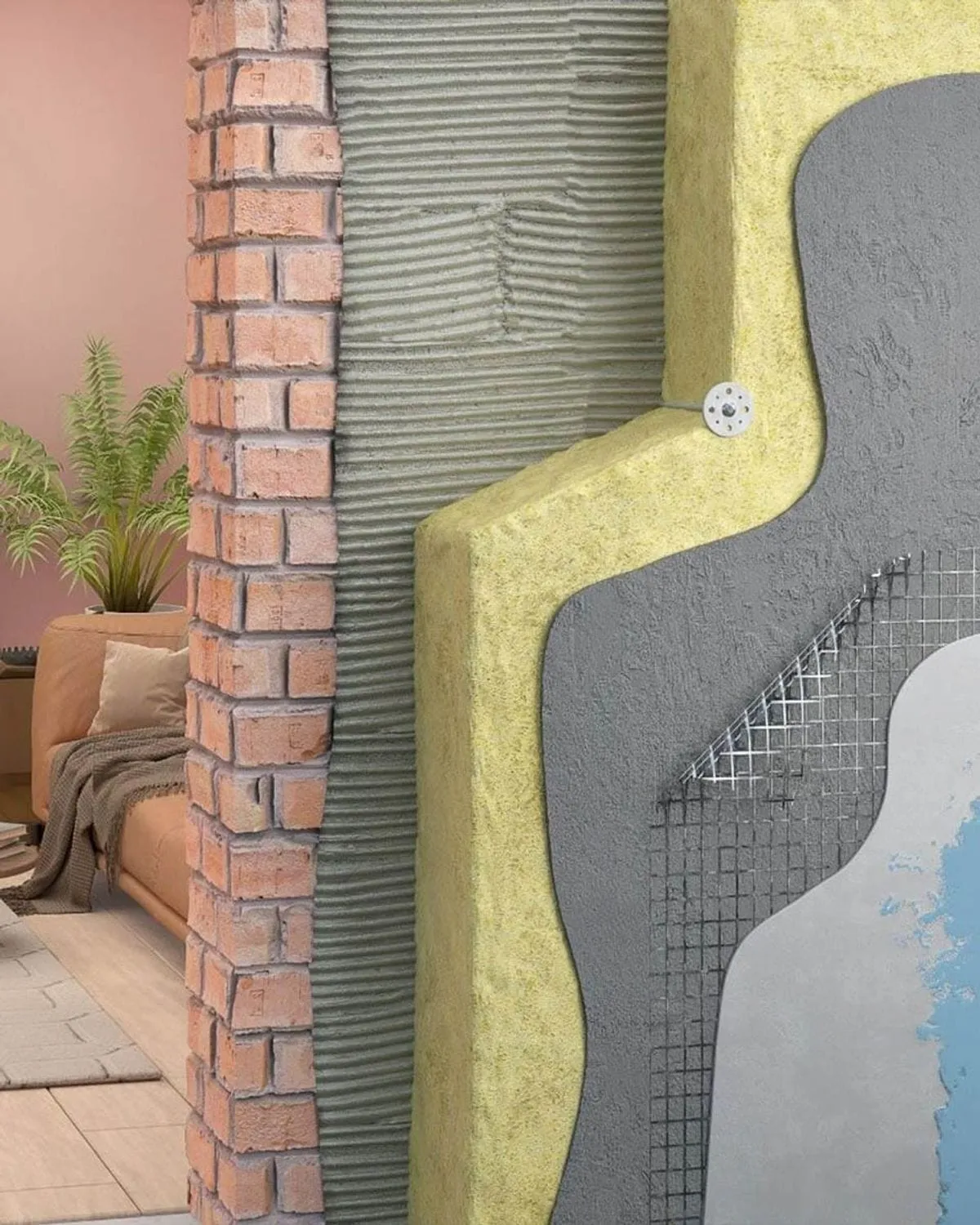
External wall insulation is a system that reduces heat loss by applying a continuous insulation layer to the outer surface of a building. Done correctly, it lowers heating and cooling demand, improves comfort and extends the life of the façade. This article is for general information only and does not replace legal, technical or financial advice.
01Why does it matter?
A significant share of a building’s heat loss occurs through external walls. Insulation also helps balance interior surface temperatures, reducing the risk of condensation and mould. Applied from the outside, the system also greatly reduces thermal bridges in structural elements.
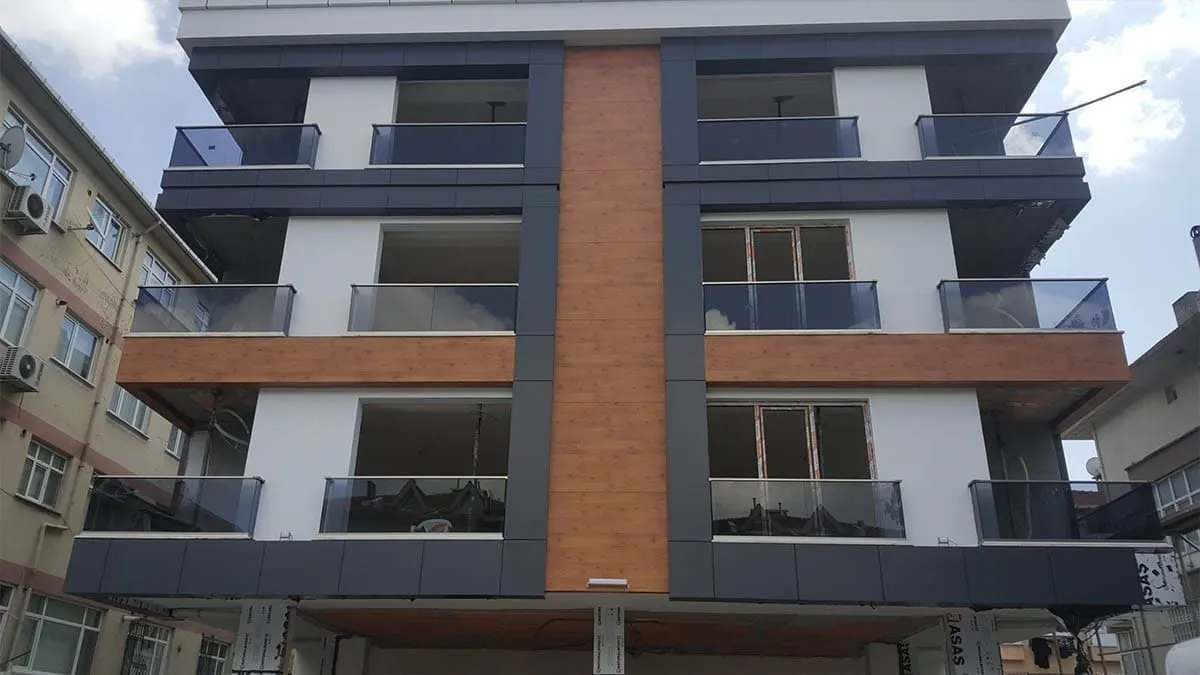
02Main material types
The choice of material depends on factors such as building height, fire safety and budget:
- EPS (expanded polystyrene): a lightweight and widely used option
- XPS (extruded polystyrene): high moisture resistance, often chosen for plinth and ground-level zones
- Stone wool: stands out for fire performance and sound insulation
- Render and paint system over the insulation: determines the durability and appearance of the system
03Common application mistakes
- Insufficient surface preparation, or applying onto a damp wall
- Incorrect bonding of boards and missing mechanical fixings
- Skipping details around windows, corners and reveals
- Using incompatible render and paint materials
- Ignoring season and weather conditions
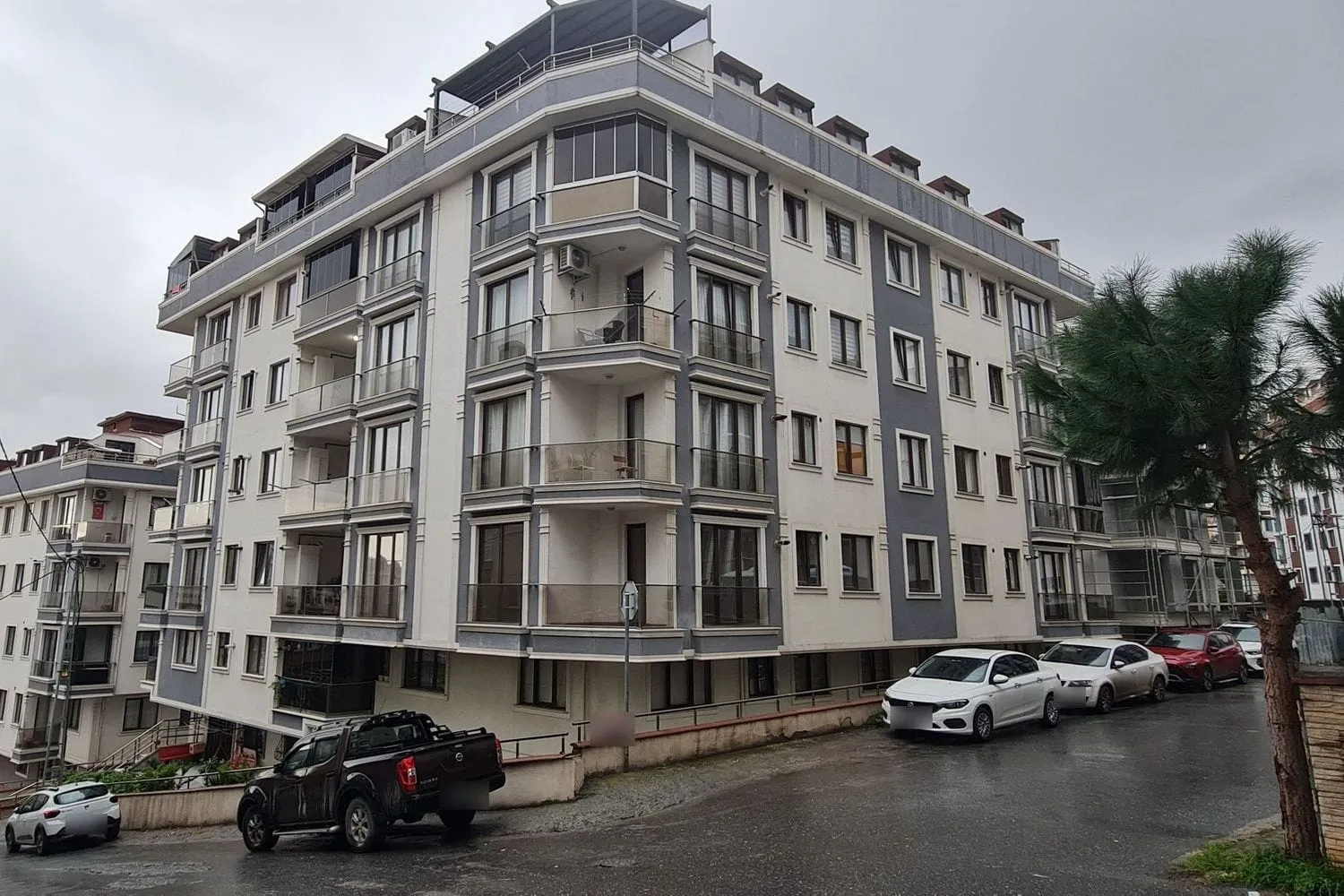
04The decision process for building management
In apartment blocks and complexes, insulation depends on a decision of the owners’ board. A survey and technical report are usually prepared first, then quotations are compared and the decision is voted on by the owners. The management plan and relevant legislation should be checked for the legal majority requirements.
05What to look for in a quotation
A quotation should clearly state the material brand and thickness, scope of labour, scaffolding and site protection, duration and warranty terms. A low price alone is not a sufficient criterion; compatibility across all layers of the system determines long-term performance.
06Planning insulation together with other façade works
Once scaffolding is erected, planning joinery replacement, balcony and balustrade renewal, façade painting and eaves details together can be efficient in both cost and time. It is therefore advisable to assess the façade as a whole at survey stage.
An insulated façade also needs regular checks. Signs of cracking, blistering and water ingress can be remedied with small repairs when noticed early. Periodic inspection and cleaning of the façade extends the life of the system.
Alongside energy savings, the building’s overall condition should be taken into account when deciding on insulation. If the façade shows cracks, damp or falling render, these problems should be remedied first; otherwise damage under the new system continues unnoticed. Correct sequencing and a holistic survey help the investment deliver its expected benefit.
To determine the right insulation solution for your building, you are welcome to contact the Falcon team for a site visit and preliminary assessment.