In brief
Signs of roof and terrace leaks, when insulation should be renewed, how to choose materials and application methods, and how to plan work by season.
The roof and terrace are the parts of a building most exposed to rain, snow and sun. Ageing of the insulation system usually begins with hidden moisture problems, and by the time it is noticed damage may already have reached ceilings, walls and even structural elements. This article is for general information only and does not replace legal, technical or financial advice.
01Signs of leaks and insulation problems
- Stains, blistering or peeling paint on the top-floor ceiling
- Mould and a damp smell in wall corners
- Increased damp or dripping after rain
- Cracks, blistering or standing water on the terrace or roof
- An unexplained rise in heating and cooling costs
02When should it be renewed?
The life of insulation layers varies with the material, quality of application and maintenance. A small patch may be enough if the source is limited, but repeated leaks at the same point or damage spreading over a wide area indicate that the whole system needs renewing. The source must first be correctly identified before deciding.
03Choosing materials and application
The roof type and use determine the selection:
- Bituminous membranes: a common solution for terraces and flat roofs
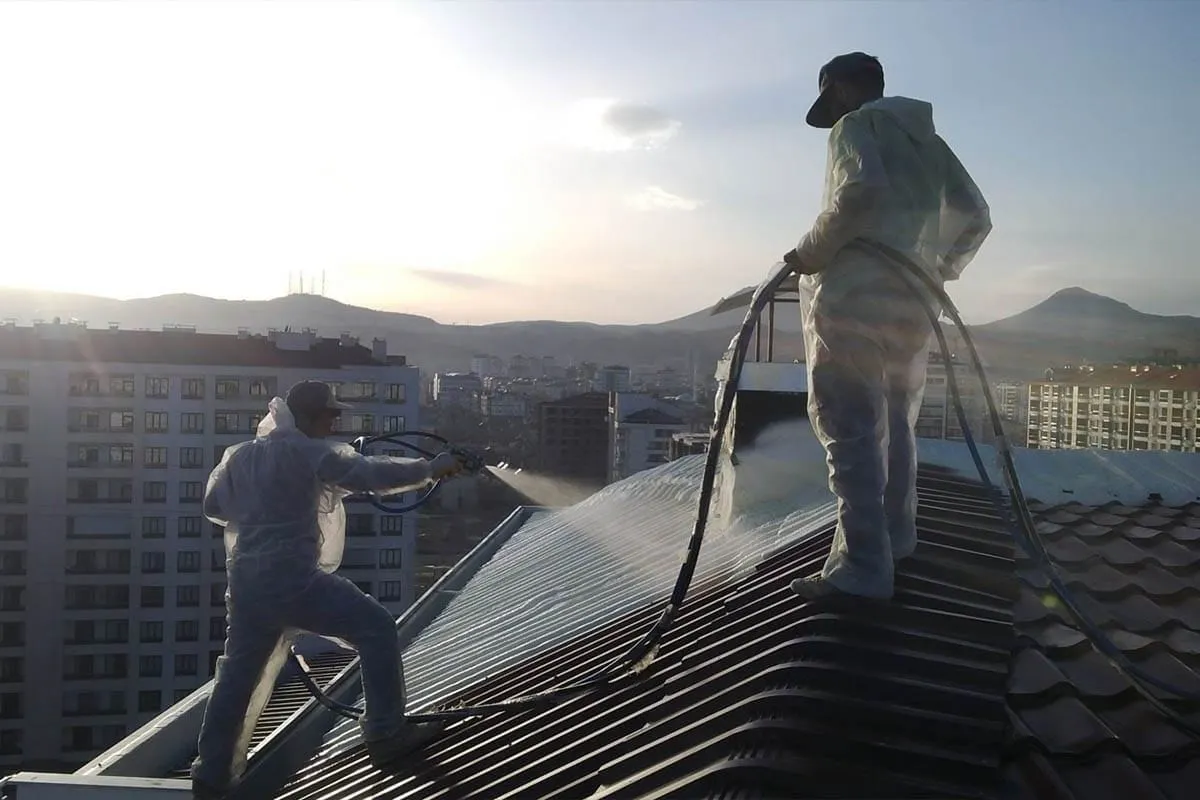
- Liquid-applied membranes: provide a continuous covering on surfaces with complex details
- Thermal insulation boards: reduce heat loss with materials such as EPS, XPS or stone wool
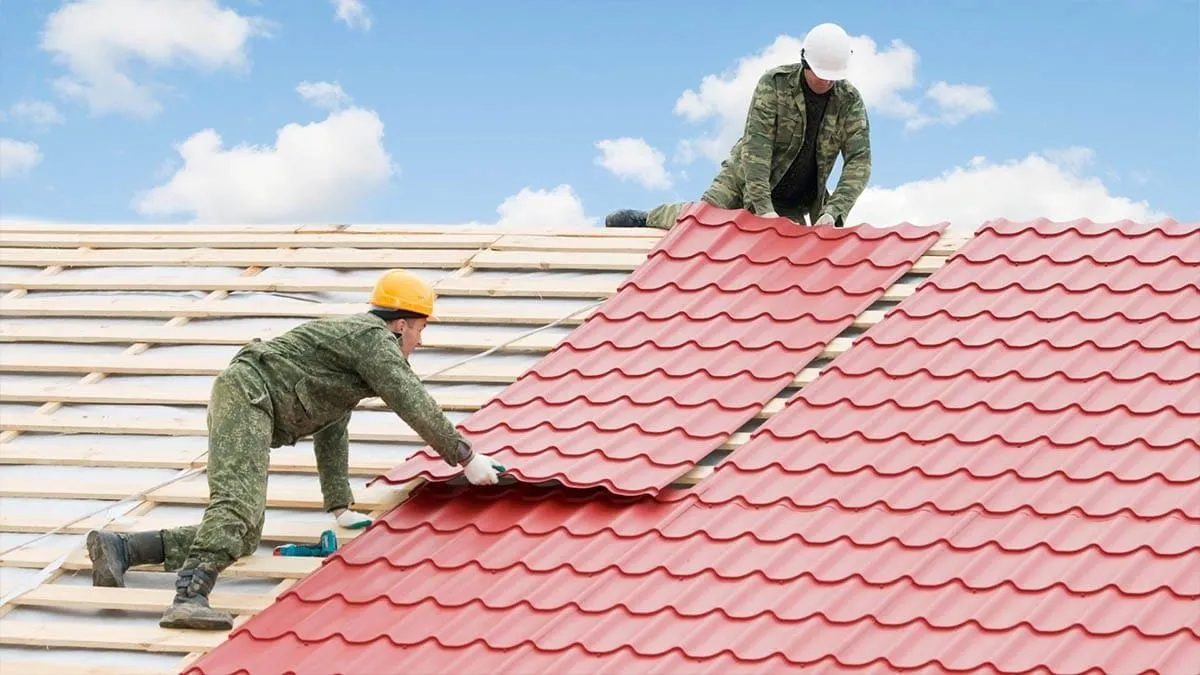
- On pitched roofs: underlay beneath the tiles and ventilation details are important

04Details make the difference
In waterproofing, problems usually occur not on the main surface but at joints, flue penetrations, drains, parapets and junctions. Getting these details right matters as much as material quality. A water-ponding test after application is a good quality-control method.
05Seasonal planning
Dry and mild weather is generally preferred for application; rain, frost and extreme heat can harm material performance. Carrying out the survey and planning before the rainy season begins therefore eases the work schedule.
06Consider thermal and water insulation together
Waterproofing keeps rainwater from entering the structure, while thermal insulation maintains the temperature balance indoors. The two are parts of one system, and planning them together both reduces condensation risk and ensures the layers are compatible. A roof renewal is also a suitable opportunity to improve thermal insulation.
Checking the roof and terrace once a year, especially before the rainy season, cleaning drains and inspecting junctions helps prevent major failures. Repairing a small crack in good time can reduce the need for extensive renewal later.
A leak often starts far from where the water becomes visible; water can travel along an insulation layer or slab and appear at a different point. Methods such as moisture measurement, surface inspection and, where necessary, opening up the area are therefore used to find the source. A correct diagnosis prevents unnecessary and repeated repairs.
To identify the source of the problem on your roof and plan the right solution, you can reach the Falcon team for a site visit and preliminary assessment.