In brief
What is the build-and-sell model, and what benefits and risks does it carry for landowners and investors? Why completion cover matters and what to check.
Build-and-sell is a model in which a project is developed on a plot and, once construction is complete, the individual units are sold. It can be structured in different ways for landowners and investors. This article is for general information only and does not replace legal, technical or financial advice.
01How does the model work?
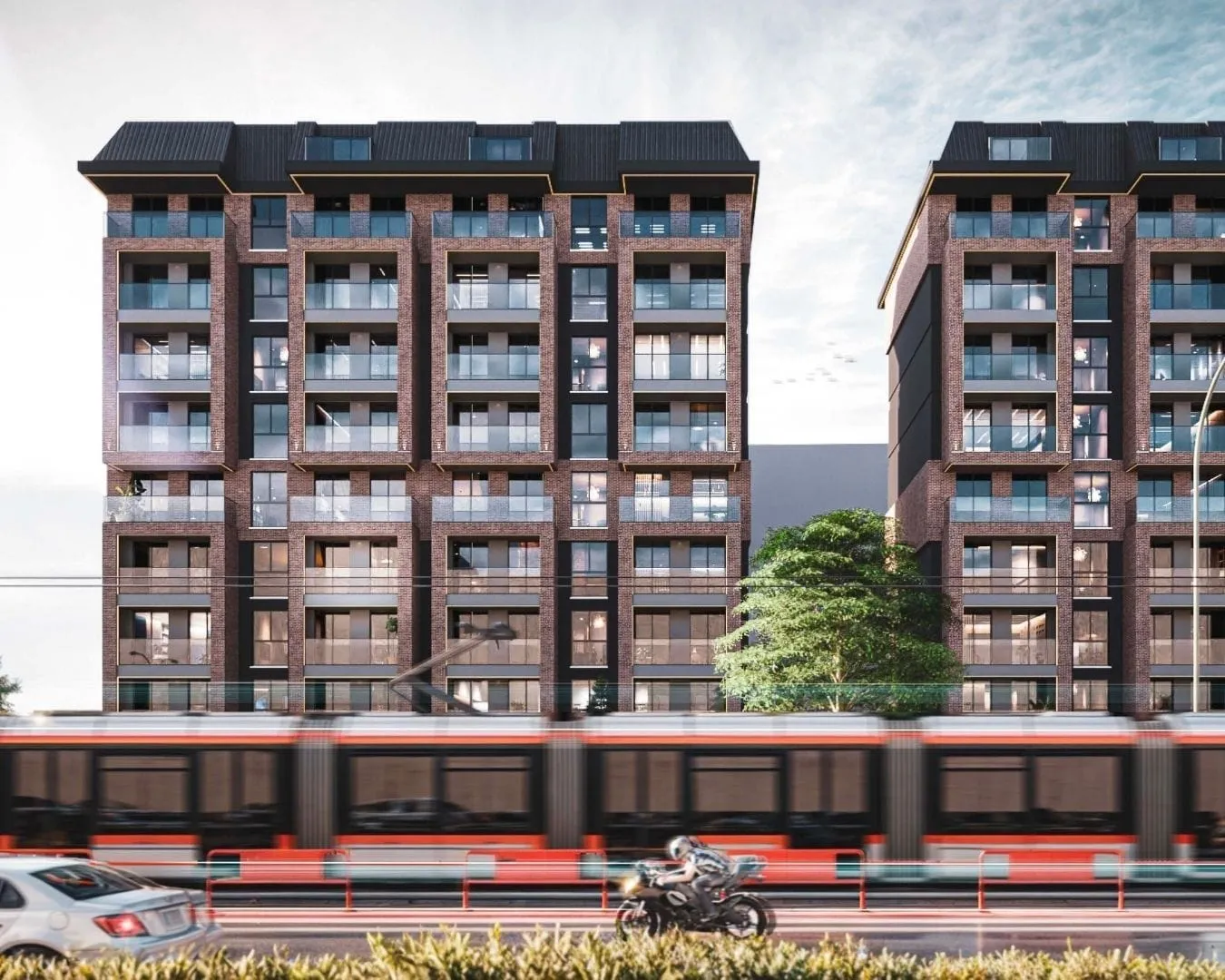
The plot is assessed within a joint structure with a firm that manages the design and construction process. Construction is completed, the units are offered for sale and revenue is shared on the basis set out in the agreement. For each project, shares and responsibilities need to be clearly written down.
02Benefits for landowners and investors
- Realising the value of the plot through a project
- Design, permits and construction managed from a single centre
- Professional management of sales and marketing
- For investors, the chance to take part in a ready project pipeline
03Risks to consider
- The project being left unfinished or delayed
- Sales progressing more slowly than expected
- Changes in market conditions and construction inputs
- Allocation and responsibilities left vague in the agreement
- Problems in permits and legal procedures
04Why completion cover matters
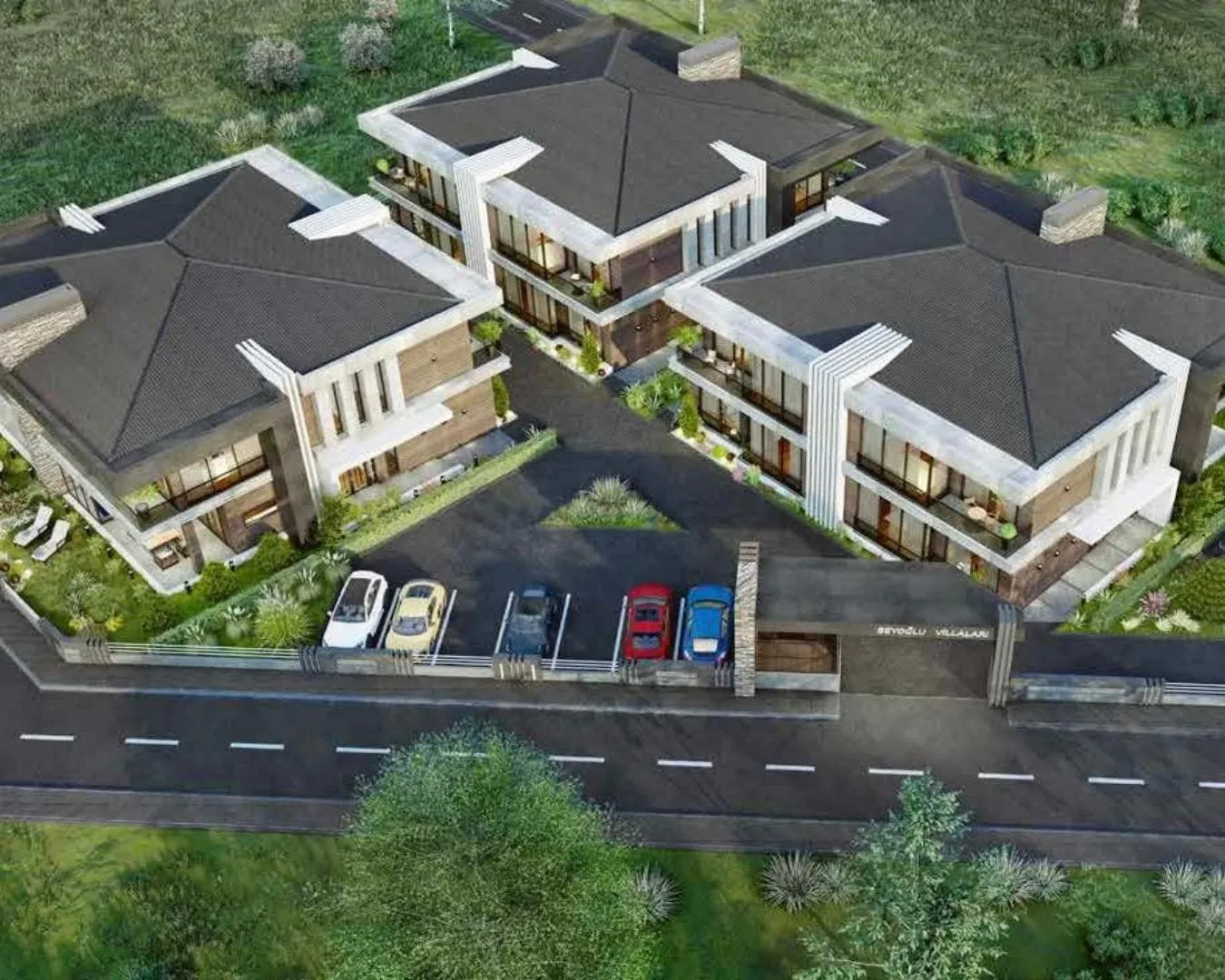
In the build-and-sell model the landowner’s main concern is that the project is finished as promised. The agreement should therefore state clearly what completion and finishing cover includes, in whose favour it is issued and under what conditions it applies.
05Before you decide
- See the contractor’s completed projects in person
- Put the allocation ratios and units in writing
- Attach the technical specification and work schedule to the agreement
- Request information on sales prices and sales management
06The importance of contract structure
In the build-and-sell model, the contract should clearly cover the landowner’s share, definition of units, delivery schedule, sales management and the parties’ obligations. Anything not written down can lead to differences of interpretation later. It is useful to have the contract reviewed by an independent legal professional.
Regular information on construction progress and sales developments allows the landowner to take part in the process with confidence. Setting the frequency of this reporting in the contract is good practice.
For investors, the project’s location, target audience and unit types directly affect the sales process. Studying market conditions and comparable projects nearby contributes to a well-conceived project. For the landowner, the quality of the project and the contractor’s references are the most important factors determining long-term value.
Under Falcon Assurance we place completion and construction-completion cover at the centre of our projects. To assess whether the build-and-sell model suits your plot, you can contact us for a site visit and preliminary assessment.